Quentin Tarantino's Style: Defining the Grindhouse Thrill Ride
There are filmmakers, and then there's Quentin Tarantino. A name synonymous with audacious storytelling, razor-sharp dialogue, and a visceral cinematic experience unlike any other. For decades, Tarantino has carved out a unique niche in Hollywood, consistently delivering films that defy easy categorization, yet undeniably share a distinctive DNA. At the heart of his filmography lies a fascinating paradox: a deeply academic love for cinema history, particularly the gritty, often forgotten B-movies and exploitation films of yesteryear, fused with a modern, audacious vision. This intoxicating blend is precisely what defines the Tarantino thrill ride – an exhilarating journey into a world where homage meets originality, and every frame crackles with raw energy.
From the iconic trunk shot to the carefully curated soundtracks, from the non-linear narratives that keep audiences on the edge of their seats to the stylized bursts of violence, Tarantino’s work is a masterclass in controlled chaos. It’s a deliberate deconstruction and reconstruction of cinematic tropes, always with an eye toward creating an immersive and often provocative experience. In this article, we'll unpack the core elements of Tarantino's style, exploring how his reverence for grindhouse aesthetics translates into films that are not just movies, but genuine, unforgettable thrill rides.
The Grindhouse DNA: A Deep Dive into Tarantino's Aesthetics
To truly understand the Tarantino thrill ride, one must first appreciate its roots in grindhouse cinema. Grindhouse theaters were dilapidated cinemas of the 1970s and 80s, notorious for showing exploitation films, double features of low-budget horror, martial arts, sexploitation, and car chase movies. These films, often made on shoestring budgets with questionable acting, possessed a raw, unpolished energy that Tarantino found irresistible. He doesn't just reference these films; he internalizes their spirit and elevates their tropes into high art.
- Raw Energy and Imperfection: Tarantino embraces the imperfections of grindhouse, often incorporating deliberate jump cuts, scratches on the film reel, and exaggerated sound effects that echo the worn-out prints shown in those theaters. This stylistic choice adds authenticity and a nostalgic patina to the modern viewing experience.
- Genre Blending and Subversion: Rather than sticking to one genre, Tarantino masterfully blends elements from spaghetti westerns, blaxploitation, martial arts flicks, and crime dramas. This genre mash-up creates a vibrant, unpredictable world that keeps viewers constantly guessing.
- Character Archetypes: His films are populated by larger-than-life characters – the femme fatale, the stoic hitman, the vengeance-seeking hero – all of whom are direct descendants of grindhouse archetypes, but imbued with complex backstories and unforgettable dialogue.
Perhaps no film exemplifies this grindhouse devotion more than Death Proof, a loving ode to the car chase and slasher films of the era. With its split narrative, practical stunt work, and overt references to B-movie aesthetics, it’s a pure, unadulterated Tarantino thrill ride, deliberately designed to feel like a forgotten classic playing at a midnight screening. It serves as a critical entry point into understanding his unique homage, a film that fully commits to the grindhouse experience, inviting viewers to revel in its imperfections and exhilarating pace. For a deeper look, check out Death Proof: Unpacking Tarantino's Grindhouse Thrill Ride.
Crafting the Thrill: Signature Narrative and Dialogue
While the visual language of grindhouse is crucial, the true engine of a Tarantino thrill ride often lies in his unparalleled mastery of narrative structure and dialogue. His films are rarely straightforward, linear journeys. Instead, they often employ fragmented timelines, non-chronological sequences, and overlapping character perspectives, creating a mosaic-like storytelling style that demands active engagement from the audience.
- Non-Linear Storytelling: Films like Pulp Fiction and Reservoir Dogs jump back and forth in time, building suspense, revealing character motivations piecemeal, and creating moments of revelation that hit with maximum impact. This structural daring keeps the viewer constantly re-evaluating, piecing together the puzzle, making the viewing experience itself a kind of intellectual thrill ride.
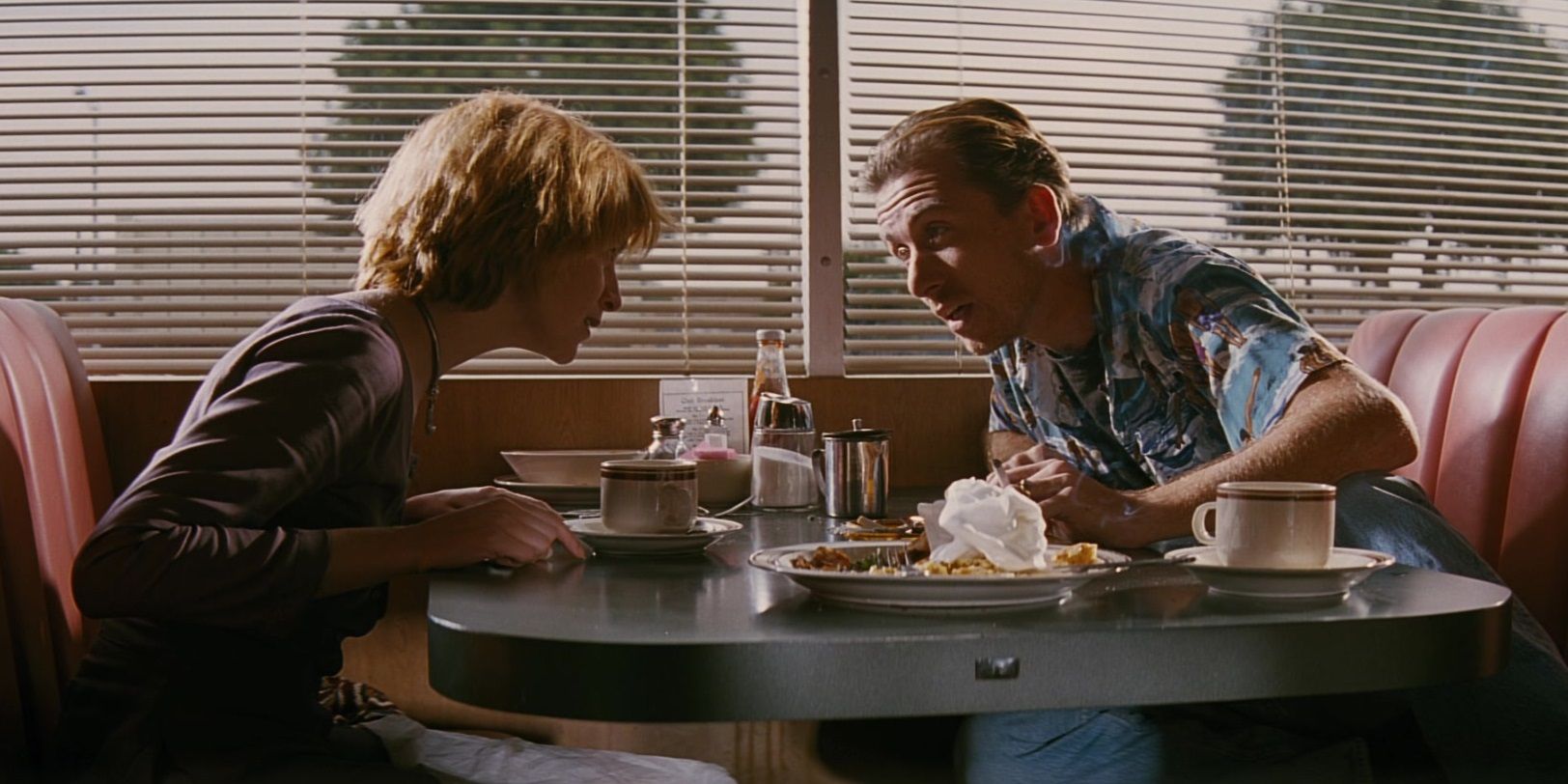
- The Power of Dialogue: Tarantino's dialogue is legendary – verbose, witty, often philosophical, and frequently punctuated by sudden shifts in tone. Conversations about mundane topics like fast food can suddenly pivot to existential dread or a prelude to brutal violence. This contrast creates immense tension, as the audience is never quite sure when the conversational calm will break. Characters articulate their worldviews, their grievances, and their warped senses of humor in extended, theatrical exchanges that are as entertaining as any action sequence. It’s in these moments that characters are not just talking, but performing, building the stakes with every word.
- Building Anticipation: Through his dialogue, Tarantino is a master of building anticipation. He allows conversations to breathe, creating a slow burn that culminates in an explosive payoff. This methodical pacing, where words are as impactful as bullets, is a cornerstone of the psychological thrill he delivers.
This approach transforms mere exposition into an art form, making every verbal exchange a potential turning point and a key component of the overall excitement. The dialogue doesn't just advance the plot; it *is* the plot, often reflecting a heightened reality that mirrors the theatricality of exploitation cinema.
Visuals, Violence, and Velocity: The Sensory Experience
Beyond narrative and dialogue, the Tarantino thrill ride is a deeply sensory experience, meticulously crafted through distinct visual techniques, stylized violence, and unforgettable soundtracks that propel the action forward. Every element works in concert to heighten the emotional and adrenaline-fueled impact.
- Stylized Violence: Tarantino's violence is often controversial, but it's rarely gratuitous. It's almost always highly stylized, bordering on cartoonish, and often serves a specific narrative or thematic purpose – whether it's cathartic vengeance in Kill Bill, or a brutal, sudden shock in Reservoir Dogs. The over-the-top nature of the gore often acts as a darkly comedic punctuation mark, reflecting the uninhibited spirit of grindhouse films that reveled in shocking their audiences.
- Dynamic Cinematography: From the iconic "trunk shot" (a low-angle perspective looking up at characters from inside a car trunk) to long, unbroken takes that build tension, Tarantino's camera work is always deliberate and visually striking. He employs bold colors, dramatic lighting, and clever camera movements to create a vibrant, comic-book aesthetic that is instantly recognizable. The rapid-fire editing during action sequences, juxtaposed with lingering shots on faces, further amplifies the ride.
- Eclectic Soundtracks: Perhaps one of the most celebrated aspects of his style is his use of music. Tarantino is a master DJ, unearthing obscure soul, surf rock, country, and pop tracks from different eras and recontextualizing them to define scenes and characters. These needle drops are not just background noise; they become active participants in the narrative, driving the mood, signaling shifts in tone, and often becoming as iconic as the scenes they accompany. The perfect song can transform a simple walk into an unforgettable character introduction or an ordinary drive into a pulse-pounding chase.
This holistic approach to filmmaking ensures that every frame and every beat contributes to the overall rush. The visual flair, the visceral impact of violence, and the perfectly chosen soundtrack combine to make each film a truly immersive Tarantino thrill ride, where you don't just watch the story unfold, you feel it.
Beyond the Ride: Tarantino's Lasting Impact and Evolution
Quentin Tarantino's films are more than just entertainment; they are cultural touchstones that have profoundly influenced modern cinema and continue to spark conversation. The unique Tarantino thrill ride has redefined how filmmakers approach homage, dialogue, and non-linear storytelling, leaving an indelible mark on an entire generation of directors. His legacy isn't just about the films themselves, but the way they challenged audiences and pushed cinematic boundaries.
One of the most significant aspects of his impact is the way his films encourage active viewing. They're designed to be discussed, debated, and rewatched, often revealing new layers of detail and cinematic references with each viewing. This engagement makes the audience an active participant in the ride, rather than a passive observer. Understanding his influences, from forgotten exploitation films to classic westerns, enriches the viewing experience and offers practical insight into film history itself. A useful tip for appreciating the depth of his work is to look beyond the surface-level violence and focus on the intricate character interactions, the subtext in the dialogue, and the subtle nods to cinematic history. Each film is a masterclass in synthesis, pulling together disparate elements to create something wholly original yet deeply familiar.
As Tarantino approaches the potential end of his directorial career, his filmography stands as a testament to a singular vision. Each film, from the seminal Pulp Fiction to the sprawling Once Upon a Time in Hollywood, contributes to a rich tapestry that consistently delivers a distinctive experience. His ability to evolve while retaining his core stylistic identity is a key part of his enduring appeal, ensuring that each new project is met with immense anticipation. To understand how his initial grindhouse homages have grown into a diverse and influential body of work, explore Beyond Death Proof: Exploring the Tarantino Thrill Ride Legacy.
In conclusion, the Tarantino thrill ride is a multifaceted phenomenon born from a deep love of cinema and a fearless approach to storytelling. It’s a carefully orchestrated symphony of grindhouse aesthetics, brilliant dialogue, daring narrative structures, stylized visuals, and unforgettable soundtracks. His films don't just entertain; they immerse, provoke, and leave an indelible impression, solidifying his status as one of cinema's true auteur visionaries. For those seeking an exhilarating, unpredictable, and intellectually stimulating cinematic journey, a Quentin Tarantino film remains the ultimate thrill ride.